


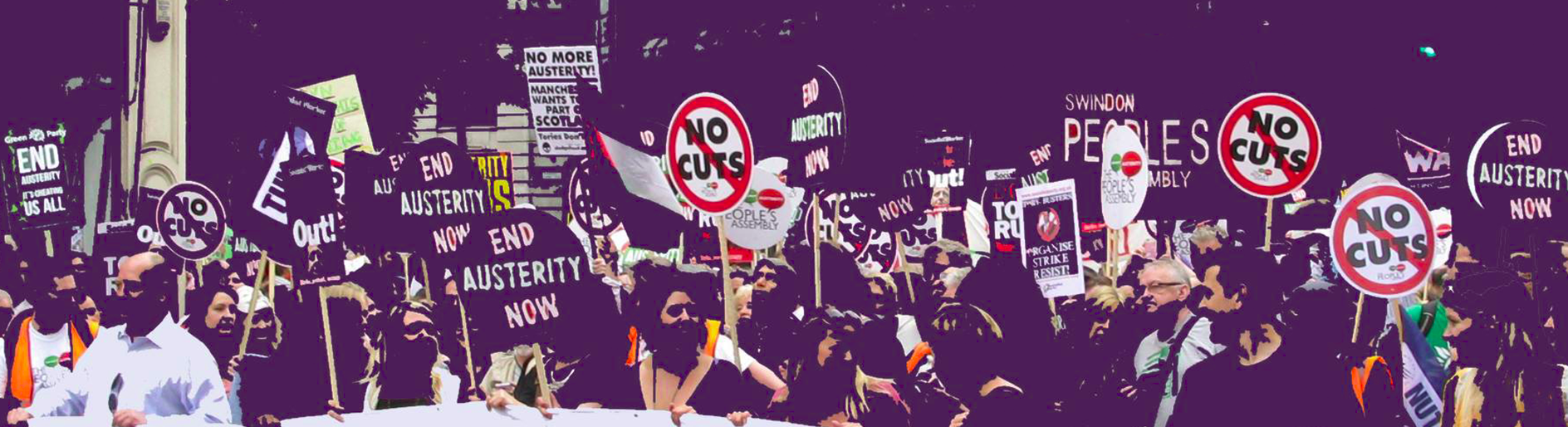
NHS crisis: This is what’s caused it and how we can solve it
The healthcare crisis is a political choice, not an economic necessity
The healthcare crisis is a political choice, not an economic necessity


‘The cost to Rubert Murdoch of keeping the full, sordid details secret is staggering.’

‘We’ve observed a troubling surge in anti-trans rhetoric, with media coverage often sensationalised for ‘click-bait’ or as a political scapegoat, leading to consequences for the trans community.’

Big win for union as government body gives green light for workplace vote on union recognition

Officials were concerned that Truss’ book included details about advice the late Queen had given her.
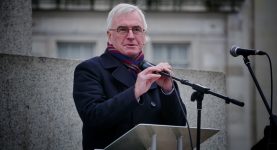
‘What’s happening in the West Bank just as in Gaza are war crimes’

‘Today’s news feels like an assault on disabled people’

To make matters worse for Sunak, his own personal ratings are also dire, with a score of -59, they are at an all time low and are the same as John Major’s in 1994 and Jeremy Corbyn in 2019.

‘What makes you think you understand how climate change works better than all of the world’s scientific experts?’

A two-state solution, based on 1967 borders, is the only way to guarantee the dignity and lasting peace that both Palestinians and Israelis deserve